

Do People Still Read Blogs in 2026?
Blogging has been around for over two decades. From personal diaries to professional business websites, blogs have evolved dramatically. Yet, with the rise of social media, TikTok, YouTube, and AI-generated content, many wonder: do people still read blogs
The answer is a clear yes, but with a modern twist. Blogs aren’t just online journals anymore. They have become tools for learning, building authority, growing businesses, and generating income. In this article, we’ll explore why blogs remain relevant, how people consume them today, and practical strategies for bloggers to succeed in 2026.
do people still read blogs
1. Blogs Are Search Engine Friendly
Unlike social media posts that vanish in a feed, blogs are indexed by search engines like Google. This means your content can attract visitors months or years after publishing.
For example, if you write a blog post titled:
“10 AI Tools for Small Business Owners in 2026”
A small business owner searching for AI tools today could find your article months later. A single well-written blog post can generate thousands of visitors over time, something social media posts rarely do.
Key point: Blogs provide long-term traffic that social media alone cannot deliver.

2. Blogs Build Authority and Trust
A blog allows you to demonstrate your knowledge in a specific area. Whether you’re a business owner, coach, or creator, well-written content helps establish you as an expert.
Example: A travel blogger writing about “grammarly alternatives” will naturally gain trust from readers looking to save money. Over time, these readers may subscribe to an email list, buy guides, or follow your social media.
Trust is harder to build on platforms like Instagram or TikTok because content is often short and fleeting.
3. Blogs Provide Deep, Valuable Content
People turn to blogs for in-depth explanations, tutorials, and insights. While social media posts are limited in length, blogs can cover topics fully.
- A TikTok video might explain a single tip.
- A blog post can provide step-by-step instructions, multiple examples, and resources.
Blogs remain relevant because they solve real problems for readers.

4. Blogs Enable Monetization
In 2026, monetization options for blogs are still strong. You can earn money through:
- Affiliate marketing: Promote products and earn a commission per sale.
- Sponsored posts: Brands pay you to review or feature products.
- Ads: Google AdSense or other ad networks generate passive income.
- Selling products/services: Digital products, courses, or consulting services.
A single blog post can be the starting point for multiple income streams, which is why businesses continue investing in blogging.
How People Read Blogs in 2026

Blog reading habits have evolved over time. Understanding them is key to creating content that works.
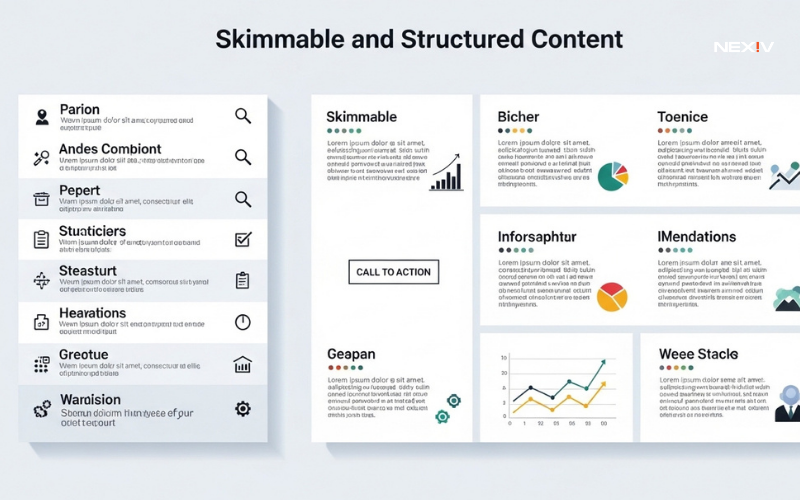
1. Skimmable and Structured Content
People don’t read every word anymore. They scan headings, bullet points, and short paragraphs to find what they need.
Example: A reader searching for “AI writing tools” will likely skim your subheadings:
- “what is a personal branding blog”
- 7 cheap domain names registrars for 2026
- 10 Best Trello Alternatives for Better Project Management
Using headings, numbered lists, and bullet points helps readers find information quickly.
2. Mobile-First Reading
Most people access blogs via smartphones. Blogs that are slow or poorly formatted for mobile lose readers instantly.
- Use responsive themes
- Ensure text is readable without zooming
- Optimize images for faster loading
Mobile-friendly blogs are essential in 2026.
3. Visuals and Multimedia
Adding images, infographics, videos, and charts makes content more engaging. People prefer visual explanations alongside text.
- A travel blog showing a map of destinations helps readers plan trips visually.
- A tech blog using screenshots of software tools makes tutorials easier to follow.
Blogs are no longer just text; they are multimedia platforms.
4. Search-Driven Consumption
Unlike the past, readers rarely stumble across blogs randomly. They search for solutions using Google or other search engines.
Example: Someone may search:
- “Top 7 SiteGround Alternatives for Fast Web Hosting”
- 8 Best Google Forms Alternatives You Need to Try Today
If your blog is SEO-optimized, you’ll reach these readers naturally without paid ads.
Why Some Blogs Fail
Even in 2026, not every blog succeeds. Here are common reasons:
- Low-quality content: Short, vague, or poorly written posts do not attract readers.
- No SEO strategy: Without keyword research and optimization, blogs don’t rank in search engines.
- Poor user experience: Slow-loading sites, cluttered ads, or confusing navigation drive visitors away.
- Inconsistency: Sporadic posting prevents audience growth and reduces trust.
- Ignoring audience needs: Focusing only on topics you like, instead of solving reader problems, hurts engagement.
Tip: Always write with the reader in mind. Solve a problem, answer questions, or provide a clear benefit.
How Bloggers Can Stay Relevant in 2026
1. Focus on a Specific Niche
Niche blogs perform better than general blogs. For example:
- Good niche: “WordPress Admin Dashboard Made Easy: Step-by-Step for New Users”
- Weak niche: Top 10 Calendly Alternatives to Simplify Your Scheduling
Specialization builds authority and makes monetization easier.
2. Create Multimedia Content
Add visuals and videos to your posts:
- Infographics to explain complex ideas
- Video tutorials for step-by-step guides
- Charts and tables for comparisons
Multimedia keeps readers engaged and increases time spent on your blog, which improves SEO.
3. Promote Blogs on Social Media
Even though people still read blogs, promotion is key. Platforms like:
…can drive traffic to your blog. Treat your blog as a central hub and social media as a traffic source.
4. Collect Emails
Email marketing remains one of the most profitable ways to monetize a blog. Offer:
- Free guides
- Checklists
- Exclusive content
This keeps readers engaged and allows you to sell products or services directly.
5. Update and Repurpose Content
Google rewards fresh content. Update old blog posts with:
- New data
- Additional tips
- Updated examples
Repurpose blogs into videos, slides, or social media posts for more reach.
How Blogs Complement Other Platforms
Many people think social media has replaced blogs. The reality is: blogs and social media work together.
- Social media captures attention quickly
- Blogs provide detailed solutions and authority
- Email lists grow from blog traffic
- SEO keeps attracting new readers
By integrating platforms, bloggers maximize reach and income potential.
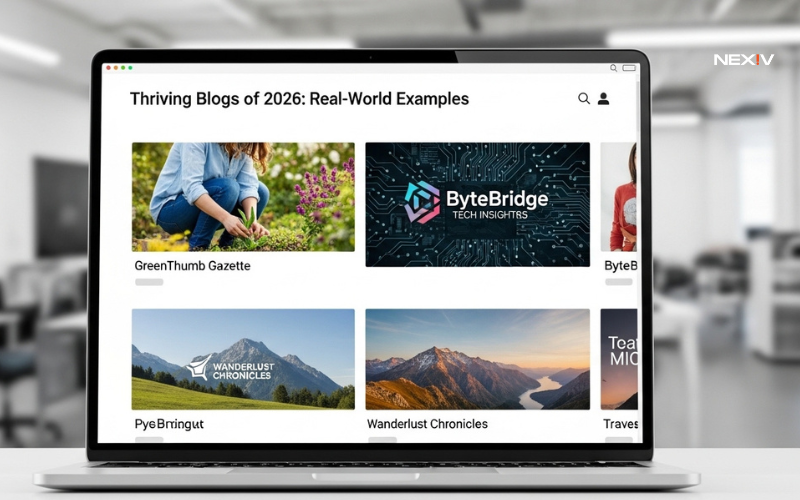
Real Examples of Blogs Thriving in 2026
- Travel blogs: Focus on niche destinations, itineraries, and budget tips. Monetized with affiliate links and digital guides.
- Tech blogs: Explain AI tools, software tutorials, and product reviews. Sponsored content and affiliate commissions are common.
- Lifestyle blogs: Cover wellness, home organization, and DIY projects. Monetized with online courses, affiliate links, and products.
The common factor: they all solve a real problem and provide actionable content.
FAQs About Blogs in 2026
1. Are blogs still profitable in 2026?
Yes. Blogs that target specific niches, provide valuable content, and leverage SEO, social media, and email marketing can generate income.
2. How long does it take to see results?
Typically 3–6 months for consistent traffic. Profit depends on monetization strategies and audience growth.
3. Do blogs need long articles?
Long-form content (1,500–3,000 words) performs better for SEO. But the content must be structured, readable, and useful.
4. Can beginners start a blog today?
Absolutely. Platforms like WordPress, Wix, and Squarespace make setup easy, even for non-technical users.
5. Do blogs need social media promotion?
Yes. Social media helps drive initial traffic and grow an audience. Pinterest is especially effective for tutorials and guides.
Final Thoughts
Yes, people still read blogs in 2026.
- Blogs provide depth, authority, and long-term traffic.
- They are profitable when monetized strategically.
- Success requires high-quality content, SEO, mobile-friendliness, and multimedia integration.
If you are starting a blog today, focus on:
- Solving a real problem for readers
- Choosing a specific niche
- Promoting posts on social media
- Collecting emails for future monetization
The truth: Blogs are not dead. They are evolving. Those who adapt to reader habits, use multimedia, and optimize for search engines will continue to thrive.